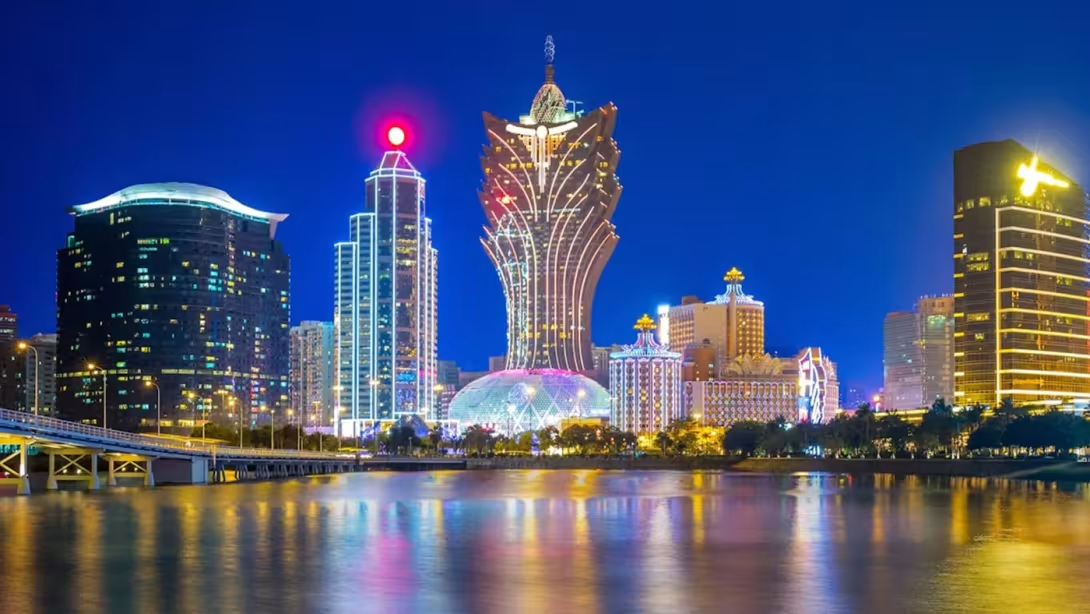
The closure of several satellite casinos in Macao is beginning to ripple through surrounding property markets, pressuring residential values and commercial rents in once-thriving gaming districts. As regulatory shifts and structural changes reshape the territory’s casino model, reduced foot traffic and lower employment activity are weakening demand for nearby retail and housing. Property owners and small businesses that once benefited from steady tourist flows now face declining revenue and softer leasing conditions. Analysts say the adjustment reflects a broader economic transition in Macao, where diversification efforts and tighter oversight are redefining the relationship between gaming operations and local real estate performance.
A Structural Shift in Macao’s Gaming Landscape
Macao’s gaming sector has entered a new phase marked by regulatory tightening and operational restructuring. Satellite casinos — smaller venues operating under the licenses of major concessionaires — have historically extended gaming activity into dense urban neighborhoods. Their closures represent a significant departure from the decentralized model that once characterized the city’s gambling industry.
As these venues shut their doors, the immediate effect is a contraction in localized economic activity, particularly in districts that developed around steady casino-driven traffic.
Property Values Face Downward Pressure
Residential property markets near former satellite casino zones are experiencing reduced demand. Apartments that once attracted casino employees, service workers, and short-term tenants are seeing fewer inquiries and longer vacancy periods.
Lower rental yields can translate into declining asset values, especially for smaller investors who purchased units based on the stability of gaming-related employment. Market participants say pricing adjustments are already visible in select neighborhoods where gaming once served as the primary economic engine.
Retail Sector Feels the Slowdown
Retail landlords are also confronting softer conditions. Shops, restaurants, and convenience outlets that relied on casino visitors and staff are reporting reduced customer flow. In response, commercial rents in affected areas are trending downward as tenants renegotiate leases or exit altogether.
Vacancy rates are rising in secondary retail corridors, creating a more competitive environment for property owners. Businesses catering to high-spending tourists are particularly vulnerable as visitor concentration shifts toward large integrated resorts.
Employment Shifts Affect Local Demand
Satellite casinos supported a broad employment base, from gaming staff to hospitality and security workers. As these operations wind down, job displacement is affecting household spending patterns in surrounding communities.
Reduced disposable income among former employees can weaken demand not only for housing but also for local services, compounding the economic adjustment in these districts.
Urban Concentration of Gaming Activity
Macao’s regulatory direction increasingly favors large-scale integrated resorts operated directly by concessionaires. This model concentrates gaming, entertainment, and hospitality offerings within major resort complexes rather than dispersing them across smaller urban venues.
While this shift may improve oversight and operational efficiency, it also redistributes economic activity away from neighborhood-level businesses, altering traditional commercial ecosystems.
Long-Term Urban and Economic Implications
Urban planners and economists suggest the closures could accelerate efforts to diversify Macao’s economy beyond gaming. Vacant retail spaces and underutilized properties may eventually be repurposed for alternative commercial uses, cultural venues, or residential redevelopment.
However, such transitions take time and depend on broader economic conditions, tourism recovery, and investment confidence.
Market Adjustment Still Unfolding
The property market response to satellite casino closures is still in its early stages. While short-term indicators point to softness in prices and rents, longer-term outcomes will depend on how successfully Macao rebalances its economy and revitalizes affected districts.
For now, the closures highlight how deeply intertwined gaming operations have been with local real estate dynamics — and how regulatory shifts in one sector can reshape an entire urban economic landscape.
Comments