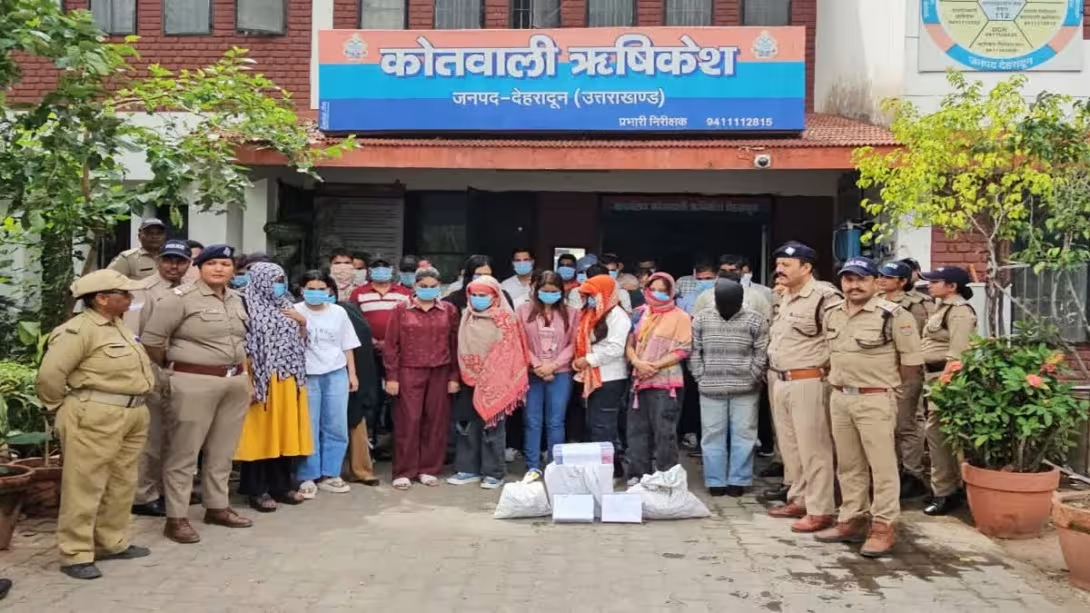
A major law enforcement operation in Rishikesh has exposed a well-organized illegal casino network operating from a hotel along Haridwar Road. Authorities arrested 40 individuals, including 10 women, during a late-night raid, recovering significant gambling assets such as 3,356 casino coins and Rs. 1,37,600 in cash. The scale and sophistication of the operation indicate a structured and possibly long-running enterprise. In response, senior officials ordered the suspension of local police personnel over alleged negligence. The case highlights growing concerns around unregulated gambling ecosystems and their economic, legal, and governance implications.
A Coordinated Enforcement Operation
In a decisive move, Dehradun police dismantled an illegal casino operation functioning out of a hotel in the Rishikesh area. Acting on intelligence inputs, a late-night raid uncovered a large gathering engaged in gambling activities, pointing to a structured and organized setup.
A total of 40 individuals were detained, including participants from multiple districts and states. This geographical diversity suggests that the operation had a wider network and appeal beyond local boundaries.
Seizure Highlights Scale of Operations
Authorities recovered substantial evidence during the raid, underscoring the commercial scale of the enterprise. The confiscated items included 3,356 casino coins, cash amounting to Rs. 1,37,600, and multiple bottles of liquor.
Such inventory indicates that the operation was not sporadic but functioned with a level of consistency and financial planning. The presence of casino-style tokens further suggests an attempt to replicate formal gaming environments, despite operating outside legal frameworks.
Legal Action and Regulatory Framework
All accused individuals have been booked under multiple legal provisions, including Sections 3, 4, and 5 of the Gambling Act, along with relevant sections of the Excise Act. Additional procedural charges have also been applied to strengthen the case.
Authorities have initiated background checks to determine whether the accused are part of a broader organized network. This step reflects a strategic approach aimed at dismantling not just the operation but its potential supply chain and financial ecosystem.
Administrative Accountability and Police Action
In a significant administrative response, the Senior Superintendent of Police ordered the immediate suspension of the entire staff at the local police outpost. The decision signals a strict stance on accountability, particularly in cases where illegal activities flourish under apparent regulatory oversight.
Such measures are intended to reinforce institutional discipline and restore public confidence in law enforcement mechanisms.
Implications for the Local Economy and Governance
The incident brings into focus the shadow economy surrounding illegal gambling operations. While such activities generate short-term liquidity, they operate outside taxation frameworks, depriving the state of legitimate revenue.
Moreover, unregulated gambling environments often expose participants to financial risk, fraud, and exploitation. From a governance perspective, the case underscores the need for stronger monitoring systems and policy clarity around gaming activities.
Conclusion: A Warning Signal for Unregulated Markets
The Rishikesh casino bust serves as a stark reminder of the challenges posed by underground gaming networks. As authorities intensify enforcement, the broader question remains whether regulatory reforms can effectively address the demand driving such operations.
For policymakers and industry observers, the case highlights the delicate balance between enforcement, regulation, and economic opportunity in the evolving gaming landscape.
Comments