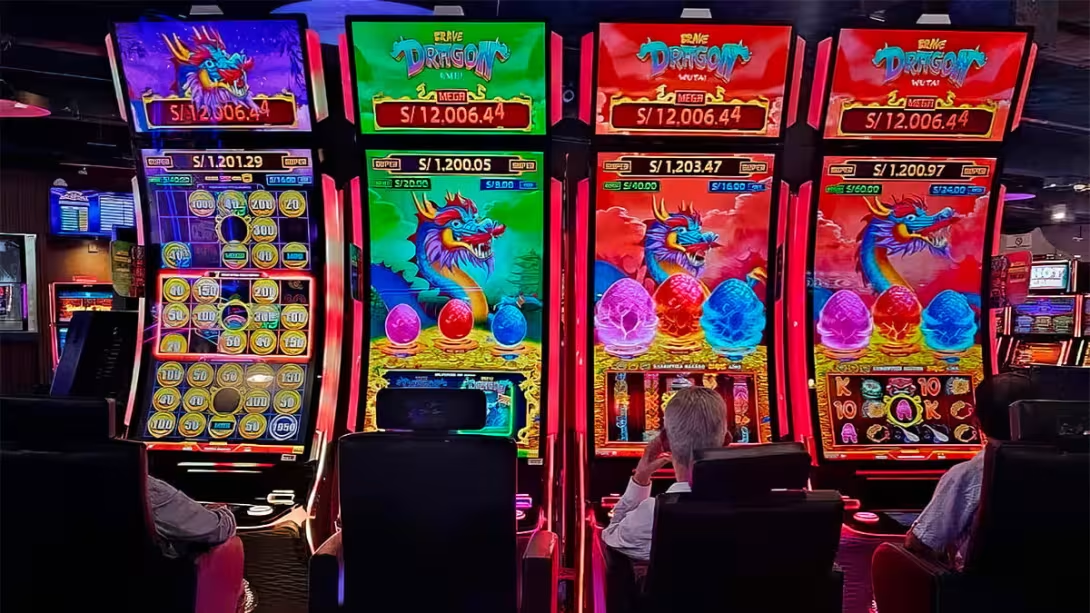
The casino industry in 2026 stands at the intersection of entertainment, finance, tourism, and technology. Once viewed primarily as gambling venues, casinos have evolved into large-scale economic ecosystems that influence hospitality markets, government revenues, luxury tourism, and digital innovation across multiple continents.
Major gaming destinations such as Macau and Las Vegas continue to dominate the global landscape, while emerging markets in Asia and the Middle East are increasingly exploring regulated gambling frameworks as tools for tourism development and foreign investment attraction.
The Transformation of the Modern Casino
Traditional casinos focused mainly on table games and slot machines. Modern casino operators, however, now prioritize “integrated resort” strategies that combine:
Luxury hotels
Fine dining experiences
Shopping malls
Live entertainment venues
Sports and esports attractions
Convention and exhibition centers
This transformation reflects a broader industry trend: gambling alone is no longer sufficient to sustain long-term growth. Operators increasingly rely on diversified consumer spending and tourism ecosystems.
Macau: The World’s Gaming Revenue Leader
Macau remains the global benchmark for casino gaming revenue. Its industry historically depended on high-stakes VIP gamblers from mainland China, but regulatory reforms and economic shifts have pushed operators toward mass-market tourism and non-gaming entertainment.
Large integrated resorts dominate the region, attracting millions of visitors annually through a combination of gaming, hospitality, luxury retail, and entertainment.
Macau’s economic structure is deeply connected to casino taxation, making gaming performance highly influential on public finances and infrastructure development.
Las Vegas: Entertainment Beyond Gambling
Unlike Macau’s gaming-centric model, Las Vegas has evolved into a broader entertainment capital. Casinos remain important, but revenue now increasingly comes from:
Concerts and live performances
Professional sports partnerships
Convention tourism
Nightlife and luxury experiences
Food and hospitality industries
This diversified model has made Las Vegas more resilient during periods of gambling market volatility.
Online Casinos and Digital Betting Expansion
One of the fastest-growing segments of the industry is online gambling. Digital casinos have transformed consumer behavior by allowing users to access gaming platforms through smartphones and computers from virtually anywhere.
Key growth drivers include:
Mobile-first gambling platforms
Live dealer streaming technology
Cryptocurrency integration
AI-based customer personalization
Real-time sports betting systems
The expansion of digital gambling has also intensified regulatory scrutiny, particularly around consumer protection and financial transparency.
Regulation, Taxation, and Government Oversight
Casino industries worldwide operate under strict regulatory systems designed to control financial crime, ensure fair gaming practices, and generate tax revenue.
Governments typically regulate:
Gaming licenses
Anti-money laundering compliance
Player verification systems
Tax structures on gaming revenue
Responsible gambling initiatives
In many regions, casino taxes represent a substantial source of public income, funding infrastructure, tourism development, and public services.
Emerging Markets and Future Opportunities
Countries such as Thailand continue debating casino legalization as a strategy for boosting tourism and attracting international investment. Meanwhile, smaller markets like Colombo maintain controlled casino sectors aimed at regional tourism growth.
The future of casino development will likely focus on regulated expansion rather than unrestricted legalization.
The Future of the Global Casino Industry
The next phase of casino evolution will likely revolve around:
AI-powered customer engagement
Immersive digital experiences
Blockchain-based payment systems
Expansion of online gambling markets
Increased government regulation
Diversified entertainment ecosystems
Casinos are increasingly becoming hybrid entertainment and financial platforms rather than purely gambling-focused venues.
In the modern global economy, the casino industry represents far more than games of chance—it is now a sophisticated sector shaped by technology, tourism, policy, and international capital flows.
Comments