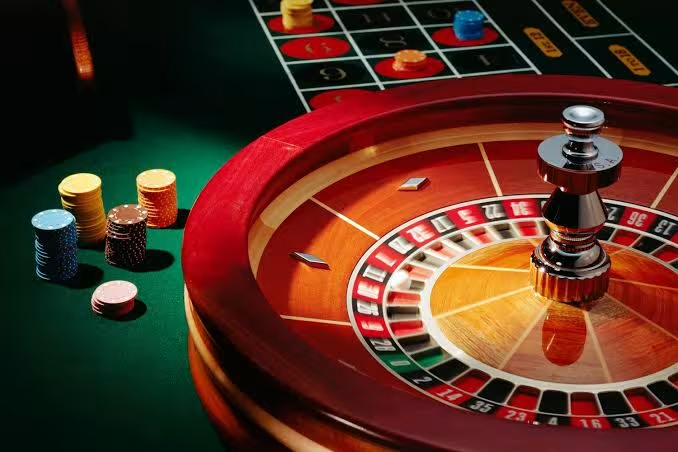
Casino design is built on sophisticated psychological principles intended to maximize player engagement, comfort, and spending behavior. From lighting and sound to architectural layouts and reward systems, casinos use behavioral science to shape how visitors think, move, and gamble. Major operators such as MGM Resorts International and Las Vegas Sands invest heavily in environmental design strategies that encourage longer play sessions and deeper emotional engagement. While these techniques contribute significantly to casino profitability, they also raise ethical and regulatory questions related to responsible gambling, consumer psychology, and the balance between entertainment and behavioral manipulation.
Casino Design as Behavioral Engineering
Modern casinos are carefully engineered environments designed to influence player behavior at both conscious and subconscious levels.
Every aspect of a casino—from floor layouts to lighting, music, and reward systems—is strategically developed to encourage prolonged engagement and spending.
Casino design combines elements of:
Behavioral psychology
Neuroscience
Consumer marketing
Hospitality design
Data-driven analytics
This interdisciplinary approach has become central to the global gaming industry.
The Maze-Like Casino Layout
One of the most recognizable casino design strategies is the intentionally complex floor layout.
Why Casinos Use Maze Structures:
Reduce visibility of exits
Encourage exploration of gaming areas
Increase exposure to multiple gambling options
This design strategy increases the likelihood that visitors will continue gambling as they move through the property.
Large integrated resorts operated by Las Vegas Sands often use these principles extensively.
Lighting and Sensory Manipulation
Casino lighting is carefully calibrated to create stimulation and emotional comfort simultaneously.
Common Techniques Include:
Warm lighting around slot machines
Bright visual displays for excitement
Minimal natural light exposure
Many casinos intentionally limit clocks and windows to reduce awareness of time passing.
These sensory environments help sustain player focus and immersion.
Sound Design and Psychological Reinforcement
Audio design is another critical psychological tool in casinos.
Examples Include:
Celebratory sounds for wins
Background music designed to maintain energy
Electronic feedback loops from slot machines
Even small rewards are often amplified through sound effects to stimulate dopamine responses and encourage continued play.
The Psychology of Slot Machines
Slot machines are among the most psychologically optimized gambling products.
Behavioral Features Include:
Variable reward schedules
Near-miss outcomes
Rapid gameplay cycles
Visual and auditory stimulation
These mechanisms exploit psychological reinforcement patterns similar to those observed in social media and video gaming environments.
Luxury and Emotional Escapism
Modern casinos increasingly focus on emotional escapism and lifestyle branding.
Key Environmental Elements Include:
Luxury décor and architecture
Fine dining and entertainment
VIP experiences and exclusivity
Companies such as MGM Resorts International integrate hospitality and entertainment to create immersive emotional experiences that extend beyond gambling alone.
Reward Systems and Loyalty Psychology
Casino loyalty programs are designed using behavioral economics principles.
Common Tactics Include:
Tiered VIP systems
Personalized rewards
Cashback incentives
Exclusive access experiences
These systems encourage repeat visits and long-term customer retention.
Digital Casinos and Behavioral Analytics
Online casinos are increasingly using AI-driven behavioral analytics to optimize user engagement.
Digital Psychology Tools Include:
Personalized promotions
Adaptive gameplay recommendations
Real-time engagement tracking
Predictive behavioral modeling
Digital environments allow operators to monitor user behavior more precisely than physical casinos.
Ethical and Regulatory Concerns
The psychological sophistication of casino design has generated growing ethical debate.
Key Concerns Include:
Encouraging addictive behavior
Manipulative environmental strategies
Vulnerable consumer targeting
Mental health impacts
Regulators are increasingly scrutinizing how casinos use behavioral design techniques.
Responsible Gambling and Consumer Protection
In response to public concerns, many operators are implementing responsible gaming measures.
Protective Measures Include:
Spending limit tools
Time reminders and session tracking
Self-exclusion systems
AI-based risk monitoring
Balancing profitability with ethical responsibility remains one of the industry’s biggest challenges.
Future Outlook: AI-Driven Behavioral Environments
Future casino design may become even more sophisticated through AI and immersive technologies.
Expected Innovations Include:
Personalized casino environments
Emotion-responsive gaming systems
VR-based psychological immersion
Real-time behavioral adaptation
These developments may redefine how entertainment environments interact with human psychology.
Conclusion
Casino design is far more than architecture and decoration—it is a sophisticated system of behavioral influence built around psychology, neuroscience, and consumer engagement. Through strategic use of lighting, sound, layout, rewards, and emotional branding, casinos create highly immersive environments designed to maximize player retention and spending.
As technology advances, AI-driven personalization and immersive digital experiences may further intensify the psychological sophistication of gambling environments. The future of the industry will likely depend on how operators, regulators, and society balance entertainment innovation with ethical responsibility and consumer protection.
Comments