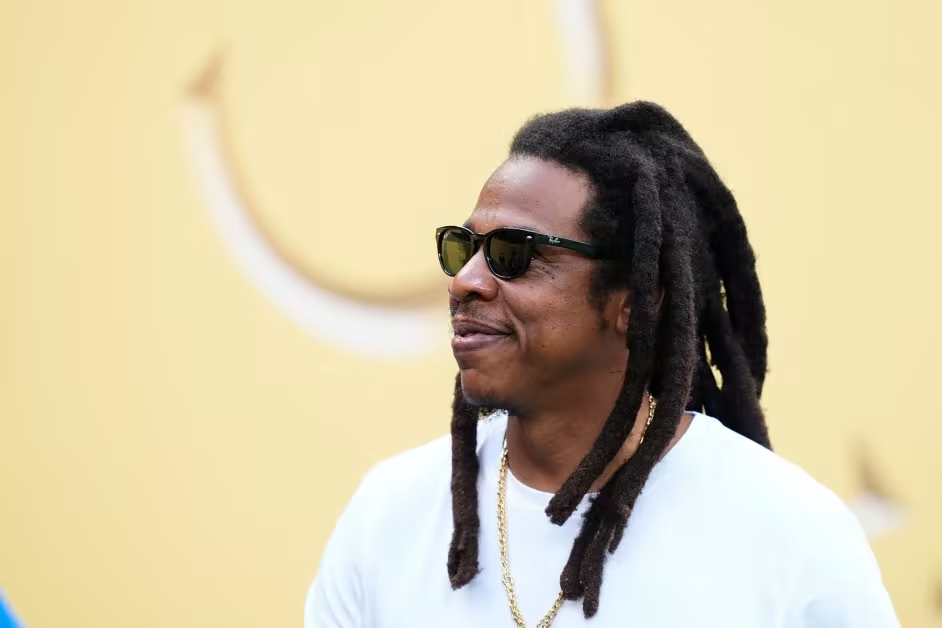
Music mogul and entrepreneur Jay-Z has made a strong case for his proposal to build a casino in New York’s Times Square, describing it as a venture that aligns with the city’s economic and cultural landscape. He argues that the project is not only financially viable but also socially beneficial, bringing in jobs, tax revenue, and a renewed vibrancy to the heart of Manhattan. While critics have voiced concerns about congestion and the social costs of gambling, Jay-Z insists that the initiative “makes perfect sense,” framing it as an engine for urban revitalization and responsible development.
A Vision for Times Square
Jay-Z’s proposal centers on transforming Times Square into a hub that blends entertainment, hospitality, and gaming within a single integrated resort model. He contends that the project would enhance the district’s global brand appeal while offering visitors a new dimension of leisure and nightlife. The plan has been pitched as a once-in-a-generation opportunity to modernize Times Square, an area already synonymous with tourism, theater, and advertising, by adding a new layer of economic dynamism.
Economic Rationale and Job Creation
At the heart of the proposal is the promise of economic benefits. Jay-Z and his partners argue that the casino would generate thousands of jobs, both directly in hospitality and gaming and indirectly across supply chains and local services. Beyond employment, the project is expected to deliver substantial tax revenue to the city and state, resources that could fund public infrastructure, education, and community initiatives. Proponents say this makes the plan especially timely, as New York continues to recover from the financial shocks of the pandemic.
Addressing Public Concerns
The idea of a Times Square casino has drawn mixed reactions. Opponents warn of heightened congestion, the potential for rising crime, and the risk of gambling addiction. Theater owners and some community groups worry that such a development could overshadow Broadway’s cultural dominance. In response, Jay-Z has emphasized that the project will prioritize responsible gaming practices, enhanced security, and traffic management solutions. He maintains that the proposal is designed to complement—not compete with—the existing character of Times Square.
Cultural and Social Dimensions
Jay-Z has framed his pitch as more than a business venture, portraying it as a chance to shape the future of New York City in a way that reflects its diversity and ambition. He has drawn attention to his own background and community-driven work, positioning the casino bid as an extension of his broader commitment to urban development and empowerment. By situating the project in Times Square, he argues, New York could reinforce its image as a city that constantly reinvents itself while respecting its cultural identity.
Strategic Outlook
The decision on new casino licenses in New York is expected to reshape the city’s economic and tourism landscape for decades to come. Jay-Z’s bid faces competition from other major developers, each offering different visions for what legalized gambling could mean for New York. Whether his Times Square proposal prevails will depend on its ability to convince regulators and the public that the promised benefits outweigh the risks. For now, Jay-Z remains confident, declaring that the project “makes perfect sense” not only financially but also for the city’s long-term vitality.
Comments