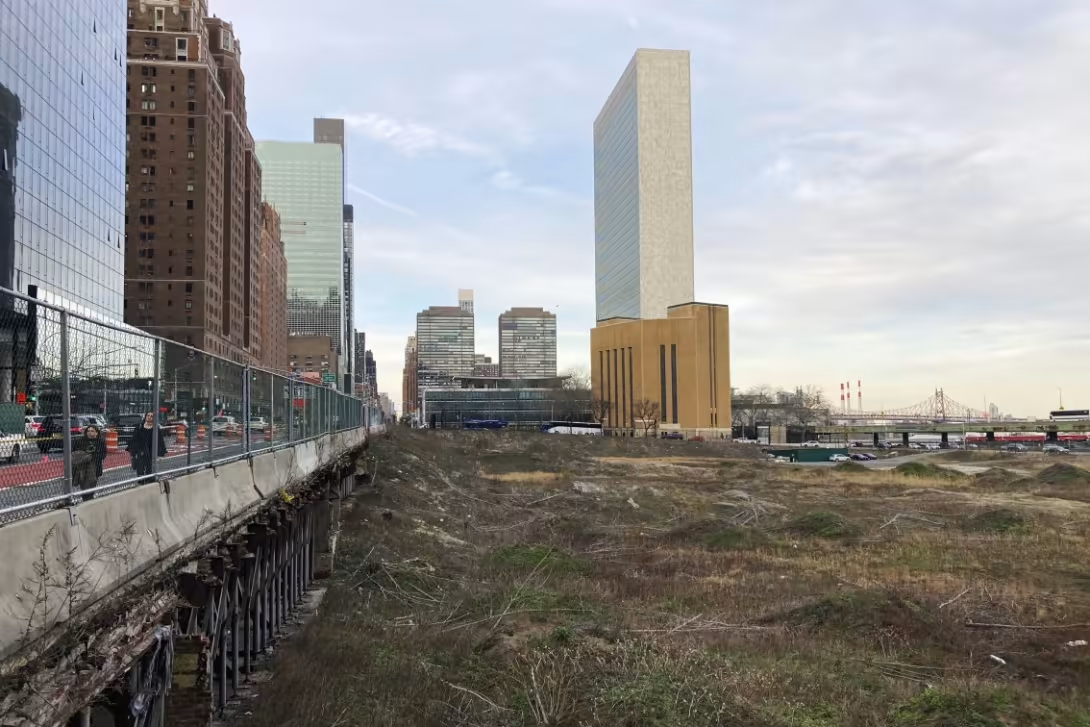
Manhattan will not see the introduction of casinos after all proposals submitted for development were rejected by local communities. Despite lucrative economic projections, including job creation, tourism growth, and multi-billion-rupee revenue potential, residents and neighborhood associations expressed strong opposition, citing concerns over congestion, social impact, and disruption to the city’s cultural fabric. The decision highlights the growing influence of community voices in urban development projects and raises questions about the future of New York’s gaming expansion. Developers and state regulators must now reassess strategies for balancing economic growth with local interests and social responsibility.
---
Community Opposition Prevails
The rejection of Manhattan casino proposals reflects widespread concern among residents, business owners, and civic groups. Critics argued that casinos would exacerbate traffic congestion, strain public services, and increase social risks, including problem gambling and crime. Public hearings and consultations made it clear that local sentiment was overwhelmingly against large-scale gaming establishments in the borough, overriding potential financial incentives proposed by developers.
---
Economic Considerations vs. Social Costs
While Manhattan’s casinos were projected to generate substantial tax revenue, employment opportunities, and tourism inflows, opposition emphasized the broader social and environmental costs. Analysts note that these developments could have led to multi-billion-rupee investments in infrastructure and entertainment, but the potential for social disruption outweighed perceived economic benefits in the eyes of the community.
---
Impact on New York’s Gaming Strategy
With Manhattan out of the running, state regulators and casino developers are likely to redirect their focus to other boroughs and regions, such as Queens and Yonkers, which have seen less local resistance. This shift underscores the importance of integrating community engagement into planning, ensuring that projects align with the urban fabric and local priorities.
---
Lessons for Urban Development
The Manhattan case serves as a cautionary example for large-scale urban initiatives: economic promise alone does not guarantee approval. Successful projects must balance fiscal benefits with social responsibility, transparency, and community participation. Developers are expected to invest more in outreach, mitigation measures, and sustainable planning for future casino projects across the city.
---
Outlook
Manhattan’s rejection of casinos will likely reshape New York’s gaming expansion plans, prioritizing locations where community support and urban integration are feasible. While economic potential remains significant, the decision emphasizes that social acceptance is a critical factor in sustainable development. Moving forward, developers and regulators will need to refine proposals to accommodate both financial objectives and local community interests.
Comments