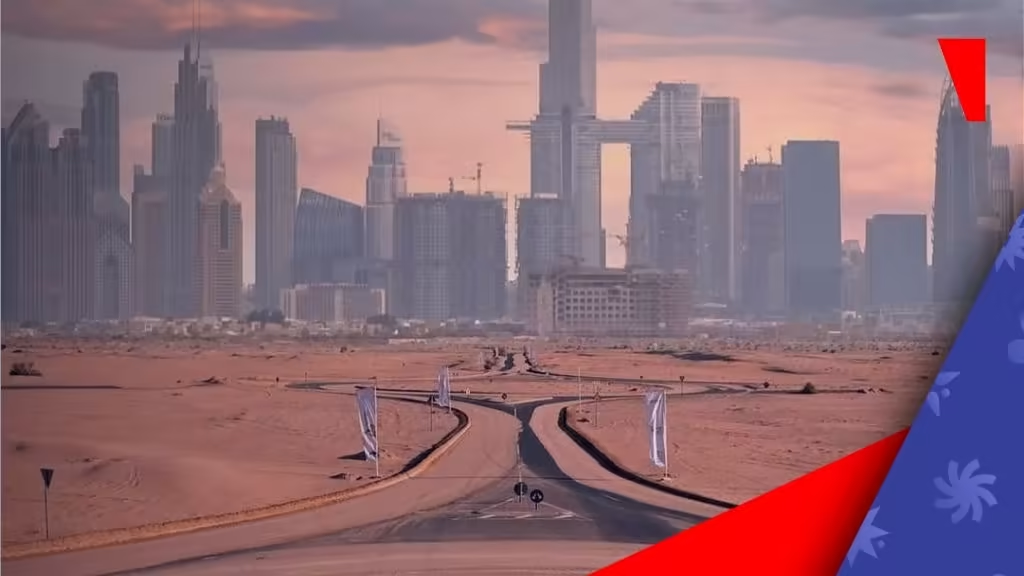
Wynn Resorts is advancing plans to develop Wynn Boulevard, a high-profile infrastructure project linking its upcoming casino resort with Dubai’s central hubs. The initiative aims to enhance accessibility, attract global tourists, and solidify the UAE as a premier gaming and entertainment destination. Analysts anticipate significant economic benefits, including job creation, increased hospitality revenues, and foreign investment inflows. However, the project also faces scrutiny over regulatory compliance, environmental impact, and social considerations. This report examines the strategic, economic, and logistical implications of Wynn Boulevard, providing a comprehensive overview of how the development could reshape the UAE’s luxury tourism and gaming landscape.
Strategic Infrastructure and Connectivity
Wynn Boulevard is designed to integrate seamlessly with Dubai’s existing transport network, linking the new casino resort to major highways, airports, and commercial zones. This strategic positioning ensures convenient access for international visitors and positions the resort as a central player in regional entertainment and luxury tourism. Urban planners note that such infrastructure projects can catalyze wider commercial development, spurring ancillary businesses, retail hubs, and hospitality services along the corridor.
Economic Impact and Investment Potential
The Wynn resort and its connecting boulevard are expected to contribute significantly to the UAE economy. Projections suggest substantial revenue streams from gaming operations, luxury accommodations, dining, and entertainment venues. Employment opportunities are set to expand across construction, hospitality, and service sectors. Moreover, analysts highlight the potential for increased foreign direct investment as global investors are drawn to the UAE’s growing reputation as a regulated, high-end gaming and leisure market.
Regulatory Framework and Compliance
The UAE’s strict licensing and regulatory environment ensures that Wynn Resorts adheres to compliance standards governing casino operations, taxation, and responsible gaming. Authorities have emphasized rigorous oversight to prevent illicit activities and maintain social safeguards. Observers note that the success of Wynn Boulevard hinges on alignment with these frameworks, balancing commercial ambitions with ethical and legal imperatives.
Social and Environmental Considerations
While the project promises economic gains, it also raises questions regarding environmental sustainability and community impact. Infrastructure expansion must address potential ecological disruptions, traffic congestion, and urban density challenges. Wynn Resorts has indicated plans for sustainable construction practices, energy-efficient facilities, and community engagement programs to mitigate negative effects and enhance local acceptance.
Tourism and Global Market Positioning
By linking the casino resort directly to Dubai, Wynn Boulevard positions the UAE as a competitive player in international luxury gaming and entertainment markets. The project is expected to attract high-net-worth tourists, business travelers, and global events, reinforcing Dubai’s status as a premium destination. Industry analysts suggest that successful integration could serve as a blueprint for future casino-linked infrastructure projects in the Middle East.
Conclusion
Wynn Boulevard represents more than just a transportation corridor—it is a strategic initiative with far-reaching economic, social, and cultural implications. As the UAE continues to diversify its economy and enhance its global tourism appeal, the Wynn project exemplifies the intersection of luxury, regulation, and regional development. Stakeholders will closely monitor its progress, which could set a benchmark for responsible, high-impact infrastructure supporting international gaming and hospitality ventures.
Comments