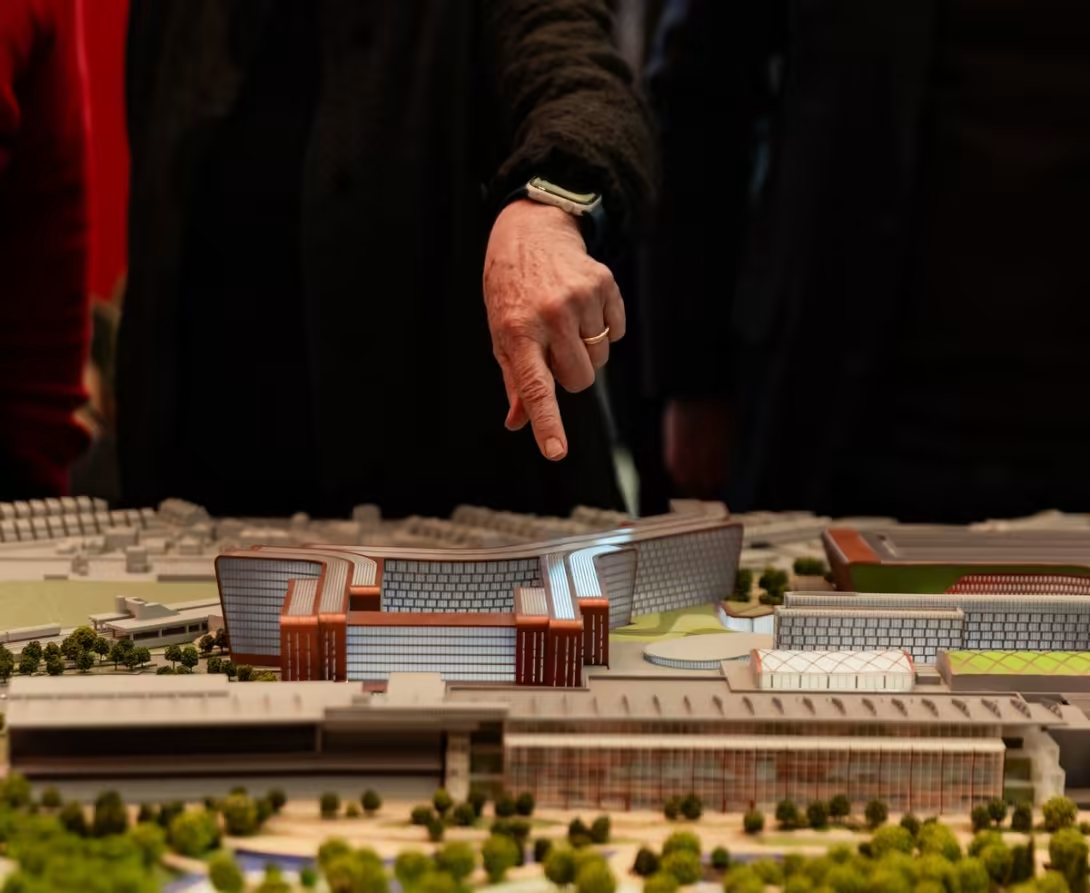
New York City’s long-anticipated race for three downstate casino licenses has entered its decisive stage, triggering an intense contest among major developers, gaming corporations, and local stakeholders. With billions of rupees in projected investments and significant urban redevelopment at stake, the final phase is marked by political negotiations, community lobbying, and aggressive economic proposals. Each bidder is vying to reshape key pockets of the city’s landscape, promising job creation, infrastructure upgrades, and long-term tax revenue. As regulators approach a decision, the competition highlights the complex interplay between public policy, private capital, and the city’s economic future.
Regulatory Push Nears Completion
New York’s Gaming Facility Location Board has moved into the final stage of reviewing the proposals that have dominated public debate for more than a year. The licensing process—delayed repeatedly due to zoning concerns, political changes, and community hearings—is now accelerating as authorities prepare to evaluate the financial strength, social impact, and operational viability of each submission.
The state expects the licenses to generate substantial upfront fees in the range of tens of thousands of crores, alongside long-term revenue streams earmarked for public services. The process emphasizes transparency, requiring every bidder to secure local approvals before regulators can issue a final verdict.
Bidders Promise Billions in Investment
Competing projects span Manhattan, Queens, Brooklyn, and the Bronx, each presenting multibillion-rupee development plans. Proposals include luxury entertainment districts, mixed-use commercial zones, and revitalized waterfronts. Developers have pledged extensive infrastructure enhancements, sustainable design standards, and landmark-scale construction intended to stimulate broader economic growth.
These commitments reflect the scale of the opportunity: downstate casinos are projected to capture one of the most lucrative gaming markets globally, due to dense population, tourism inflows, and proximity to major transportation hubs.
Political and Community Interests Shape the Outcome
While financial clout plays a central role, political strategy has proven equally critical. Bidders must secure approval from local elected officials and community advisory committees, many of whom are divided on issues related to congestion, public safety, and neighborhood character.
Supporters argue that the casinos will create thousands of jobs, generate sizeable tax revenues, and unlock untapped economic potential in underdeveloped areas. Critics worry about rising property prices, regulatory risks, and the long-term social impact of expanding gaming operations in the city.
The dense political landscape has forced companies to tailor their proposals with community benefits, including affordable housing components, public parks, and commitments to local hiring.
Economic Stakes for New York City
Economists estimate that the three casino licenses could collectively attract investments exceeding Rs. 80,000 crore over the next decade. The projects are expected to spur construction activity, strengthen tourism, and contribute significantly to state and municipal budgets through taxes, licensing fees, and tourism-related spending.
With the city still navigating fiscal pressures and post-pandemic economic realignment, policymakers view the casino initiative as a catalyst for long-term growth—provided the chosen developers can deliver sustainable, well-regulated operations.
Countdown to a Landmark Decision
As the licensing board prepares for its final round of evaluations, the competition has entered its most intense phase. Each bidder is working to finesse its proposal, strengthen political alliances, and demonstrate the superior economic value of its project.
A decision is expected to reshape the city’s commercial landscape for decades, transforming selected neighborhoods into major entertainment hubs and redefining New York’s position in the global gaming sector. The coming months will determine which vision prevails—and how the city balances economic ambition with public interest in one of the most consequential development battles of the decade.
Comments