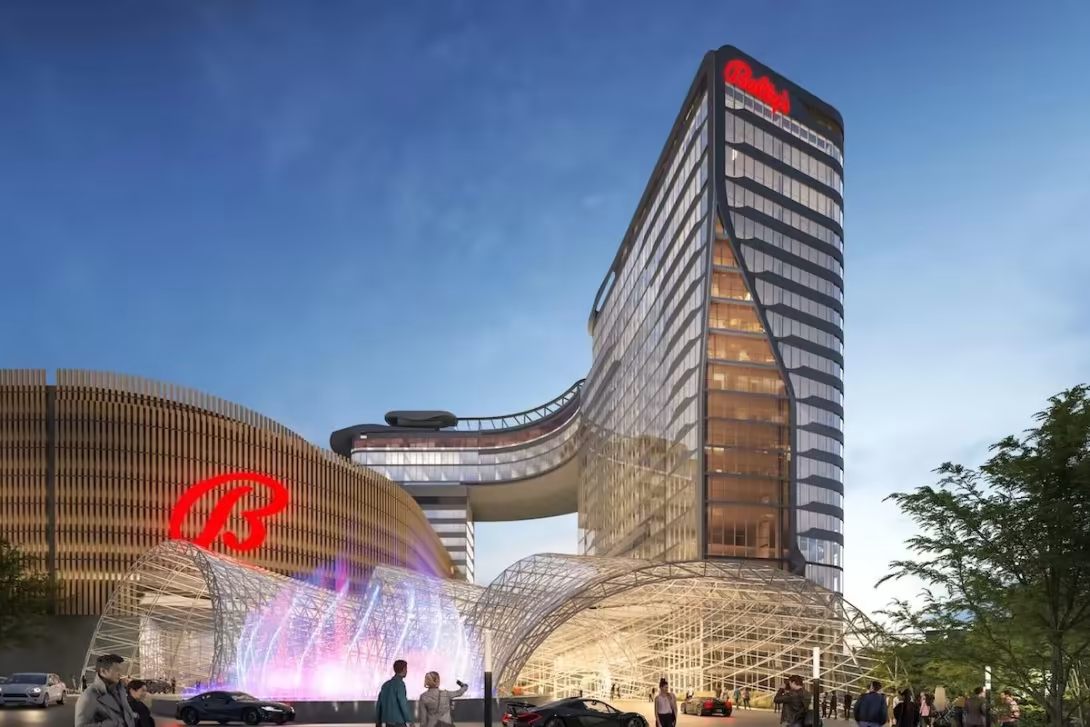
New York City’s final approval of large-scale casino developments marks a pivotal shift in the city’s tourism and entertainment strategy. Long known for culture, dining, and Broadway, the city is now preparing to integrate destination casinos into its urban fabric. Policymakers and investors view the move as a way to diversify tourism revenue, extend visitor stays, and attract new demographics, particularly high-spending leisure travelers. While the economic upside is substantial, the decision also raises questions about infrastructure strain, neighborhood impact, and the balance between entertainment growth and community interests. The approvals signal a calculated bet on tourism-led economic expansion.
---
A Strategic Expansion of the Tourism Portfolio
New York City has historically relied on arts, retail, and business travel to fuel its tourism economy. The approval of casinos introduces a new anchor attraction designed to complement, rather than replace, existing offerings. Integrated resorts typically combine gaming with hotels, convention space, dining, and live entertainment, encouraging visitors to extend their stays and increase per-trip spending.
Tourism analysts suggest that casinos could help smooth seasonal demand, drawing visitors during traditionally slower periods and reducing reliance on peak travel months.
---
Attracting New Visitor Segments
Casinos are expected to appeal to domestic and international travelers who currently bypass New York in favor of established gaming destinations. High-value tourists, including convention attendees and leisure travelers seeking all-in-one entertainment experiences, represent a key target demographic.
By embedding casinos within the city rather than on its outskirts, developers aim to capture both dedicated gaming tourists and casual visitors already in New York. This dual appeal could significantly broaden the city’s tourism base.
---
Economic Spillover Beyond the Casino Floor
The tourism impact extends well beyond gaming revenue. Hotels, restaurants, theaters, and retail businesses stand to benefit from increased footfall. City officials estimate that casino-driven tourism could generate several thousand new jobs across hospitality and service sectors, alongside indirect employment in transportation and logistics.
Tax revenue from casino operations is projected to contribute hundreds of crores of rupees annually, funds that can be reinvested into tourism infrastructure, marketing, and public services that enhance the visitor experience.
---
Infrastructure and Urban Planning Considerations
The introduction of destination casinos also presents logistical challenges. Increased visitor volumes may place pressure on transport networks, public safety resources, and local neighborhoods. Urban planners stress the importance of coordinated development, including transit upgrades and traffic management, to prevent congestion and community disruption.
Developers have committed to investing in infrastructure improvements as part of their licensing agreements, recognizing that long-term tourism success depends on seamless urban integration.
---
Managing Social and Brand Risks
New York’s global brand is built on culture and diversity, not gambling alone. Policymakers are keenly aware of the need to manage social risks associated with casino expansion, including problem gambling and neighborhood equity concerns.
Strict regulatory frameworks require operators to fund responsible gaming programs, enforce age restrictions, and engage in community outreach. The goal is to ensure that tourism growth does not come at the expense of social cohesion.
---
A Measured Bet on Tourism Growth
The approval of casinos represents a strategic recalibration rather than a wholesale reinvention of New York City’s tourism identity. If executed carefully, casinos could serve as complementary attractions that enhance the city’s competitive position in the global tourism market.
For investors and policymakers alike, the success of this initiative will be measured not just in gaming revenue, but in its ability to stimulate broader tourism growth, create jobs, and reinforce New York City’s standing as a world-class destination.
Comments